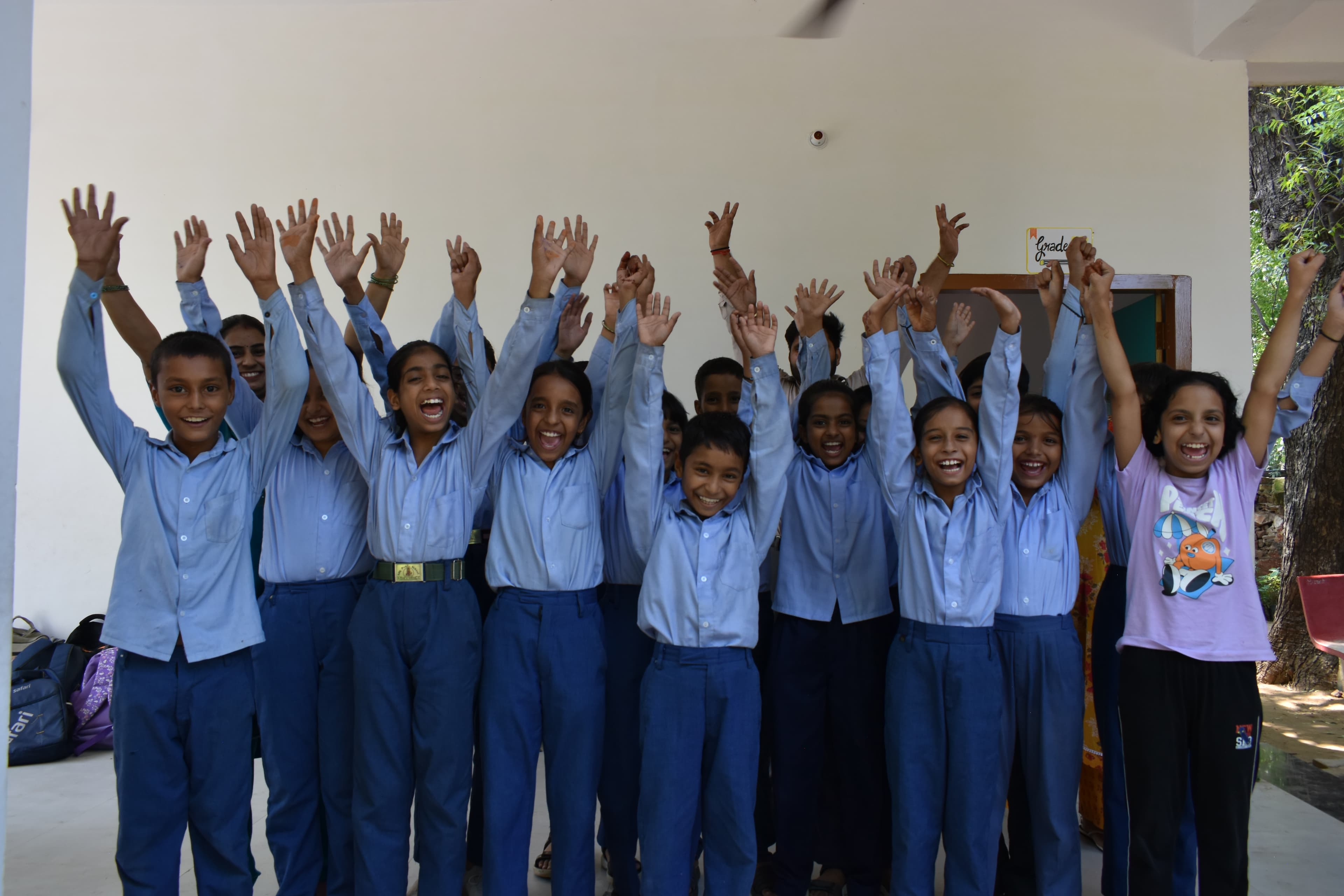
We create pathways for students from historically under resourced communities, from classroom to economic self-reliance.
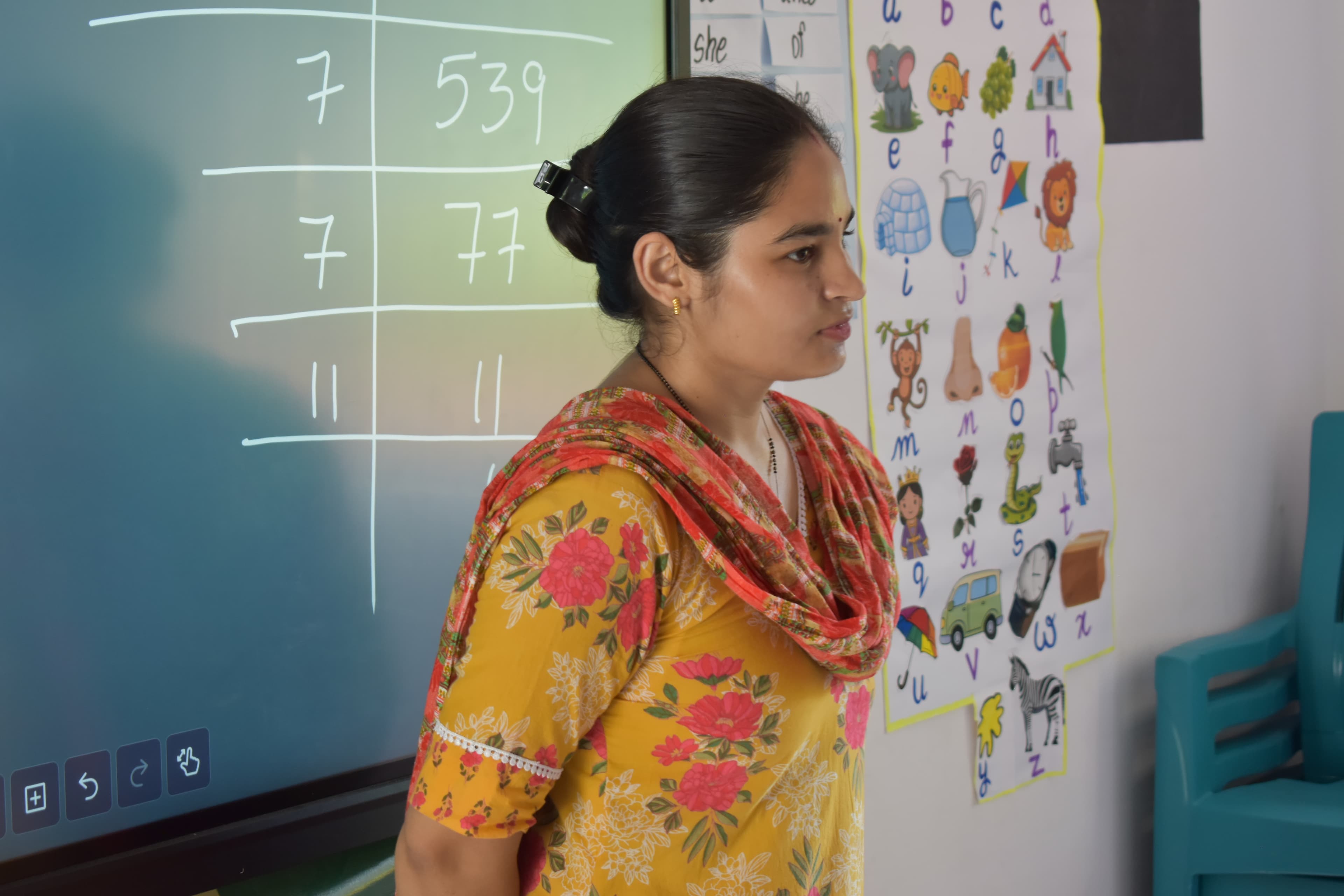
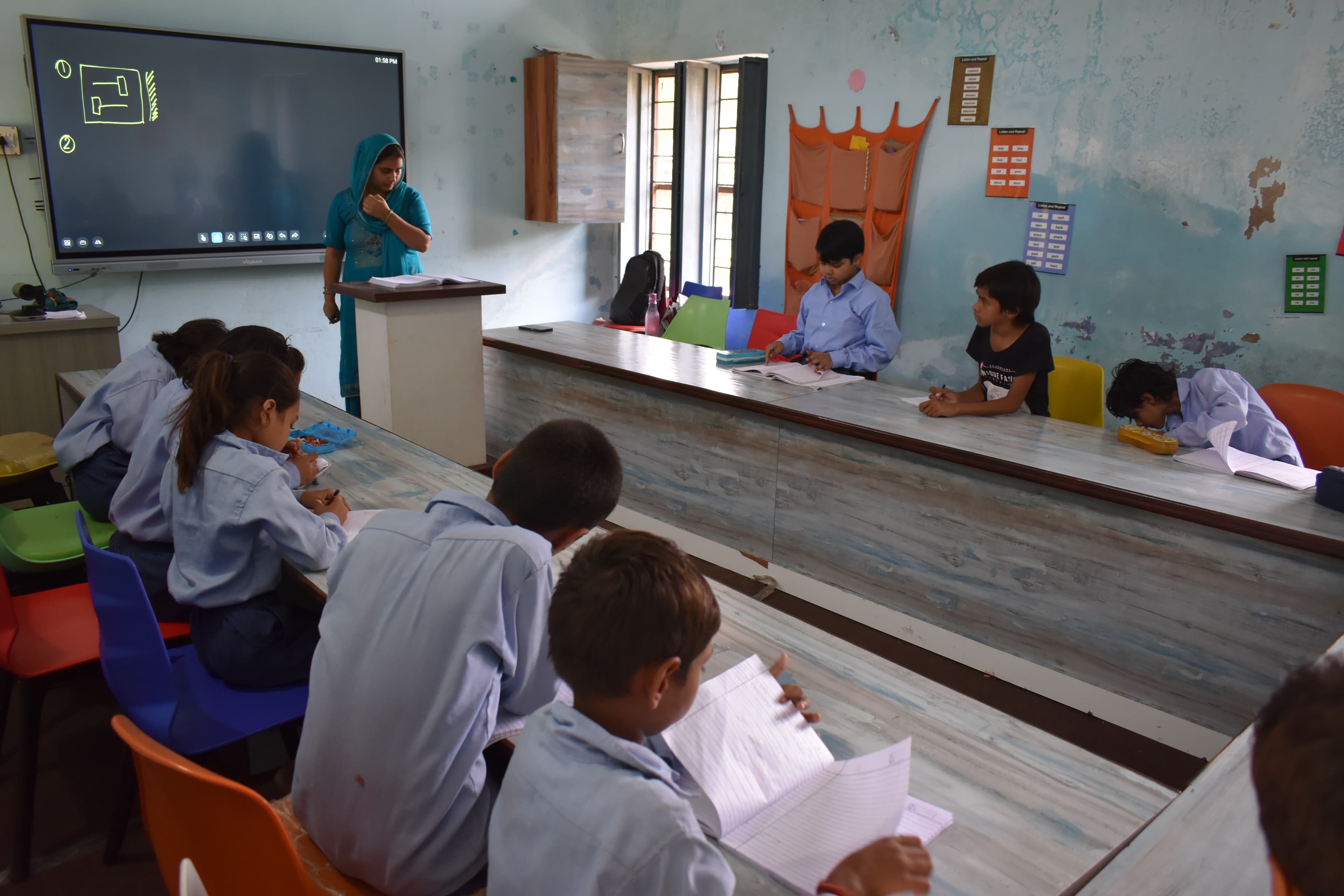
Two local fellows per school provide daily support in core subjects to build foundational skills and prepare for residential schools.
Explore Fellowship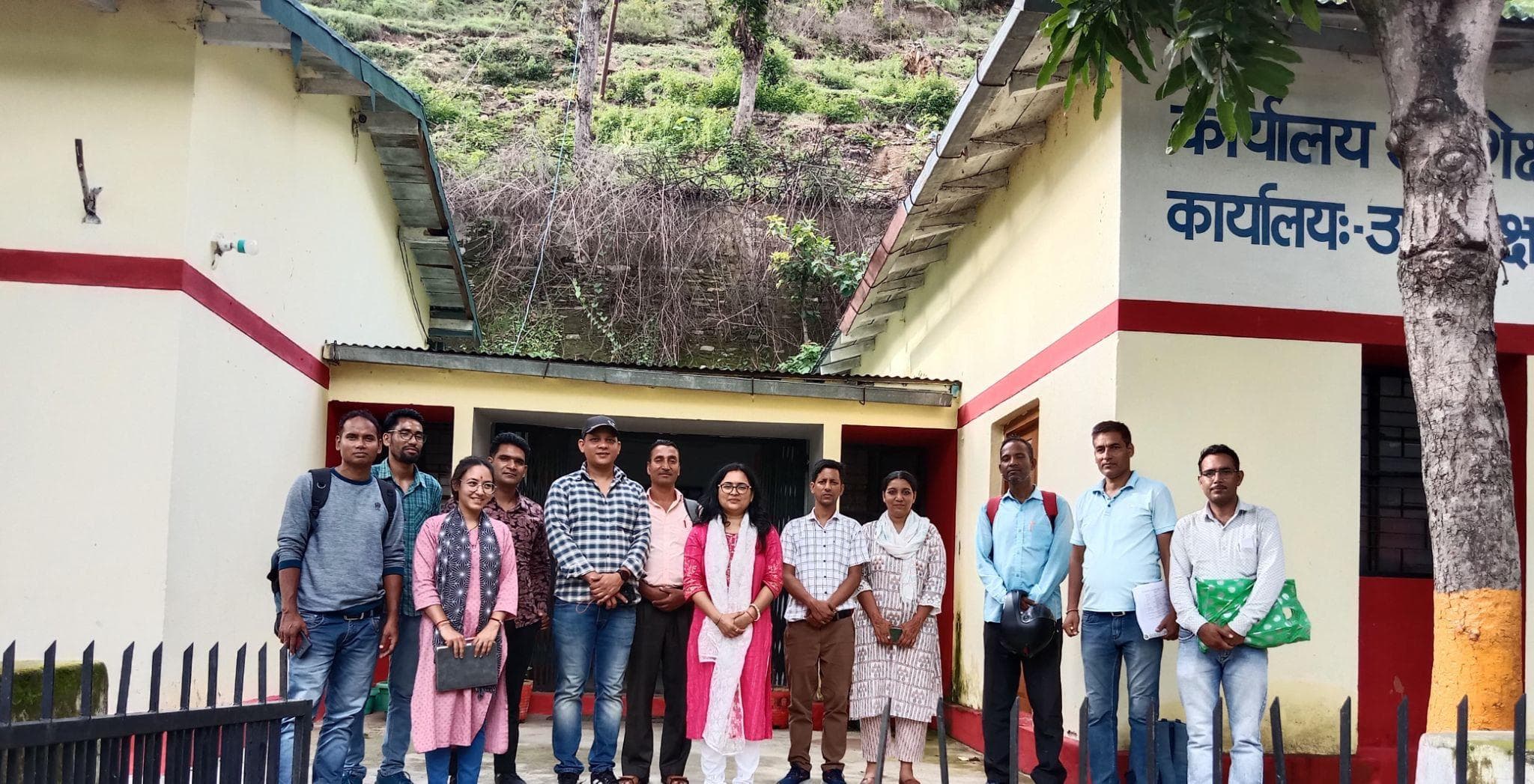
Mission-aligned government teachers are trained in SRI's curriculum and monitoring systems for sustainable, system-level impact.
Explore Dronacharya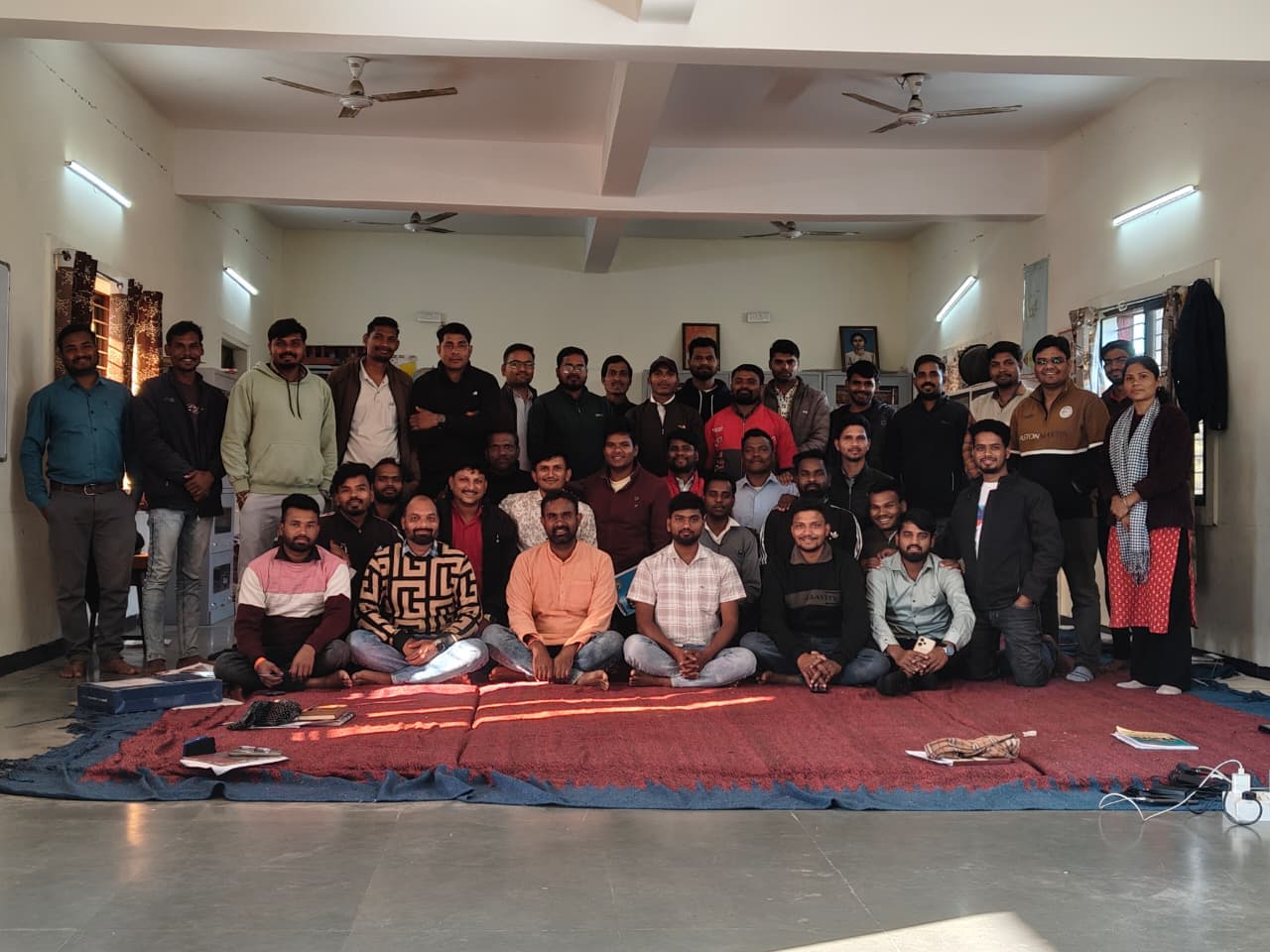
Partner organisations integrate SRI's proven curriculum and assessments to achieve scalable, shared ownership of student outcomes.
Explore Saajhedaari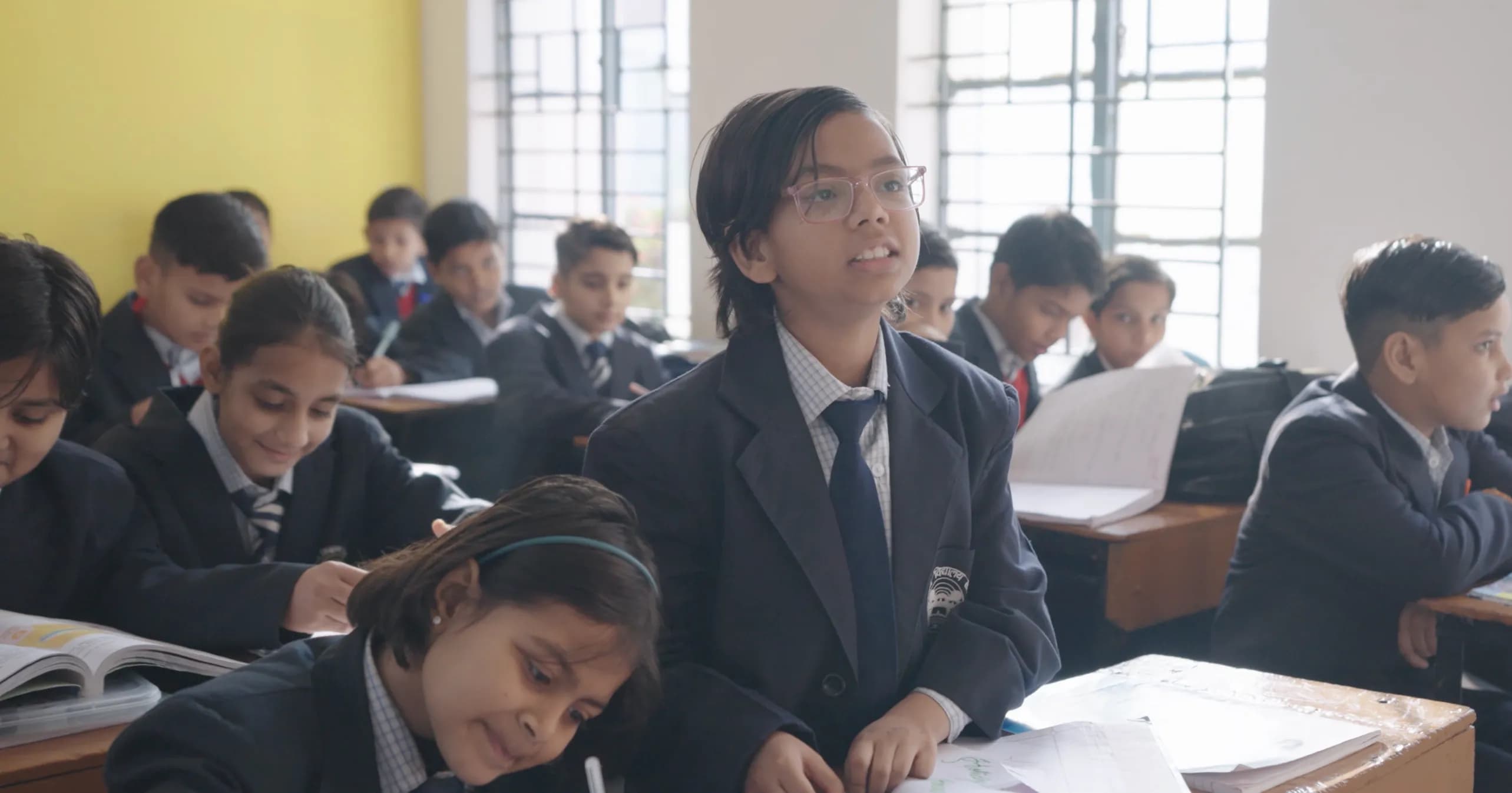
For a child growing up in a low-income family, getting into a good residential school can open doors that may otherwise remain out of reach.
Across India, there are residential schools that give children access to quality education, a supportive learning environment, sports and other opportunities, along with boarding and lodging. Many are publicly supported and offer free or highly subsidised education to eligible students.
Jawahar Navodaya Vidyalayas, Eklavya Model Residential Schools and Sainik Schools are some of the better-known examples. These schools bring together children from different parts of the country and give them an opportunity to learn, grow and prepare for higher education and future careers.
For many children, this can be a significant change in what is possible. A child who may have had limited access to educational resources at home can study in a well-equipped school, spend time with peers who are equally ambitious, discover new interests and begin to imagine a future beyond what they have seen around them.
This is why access to these schools matters to us.
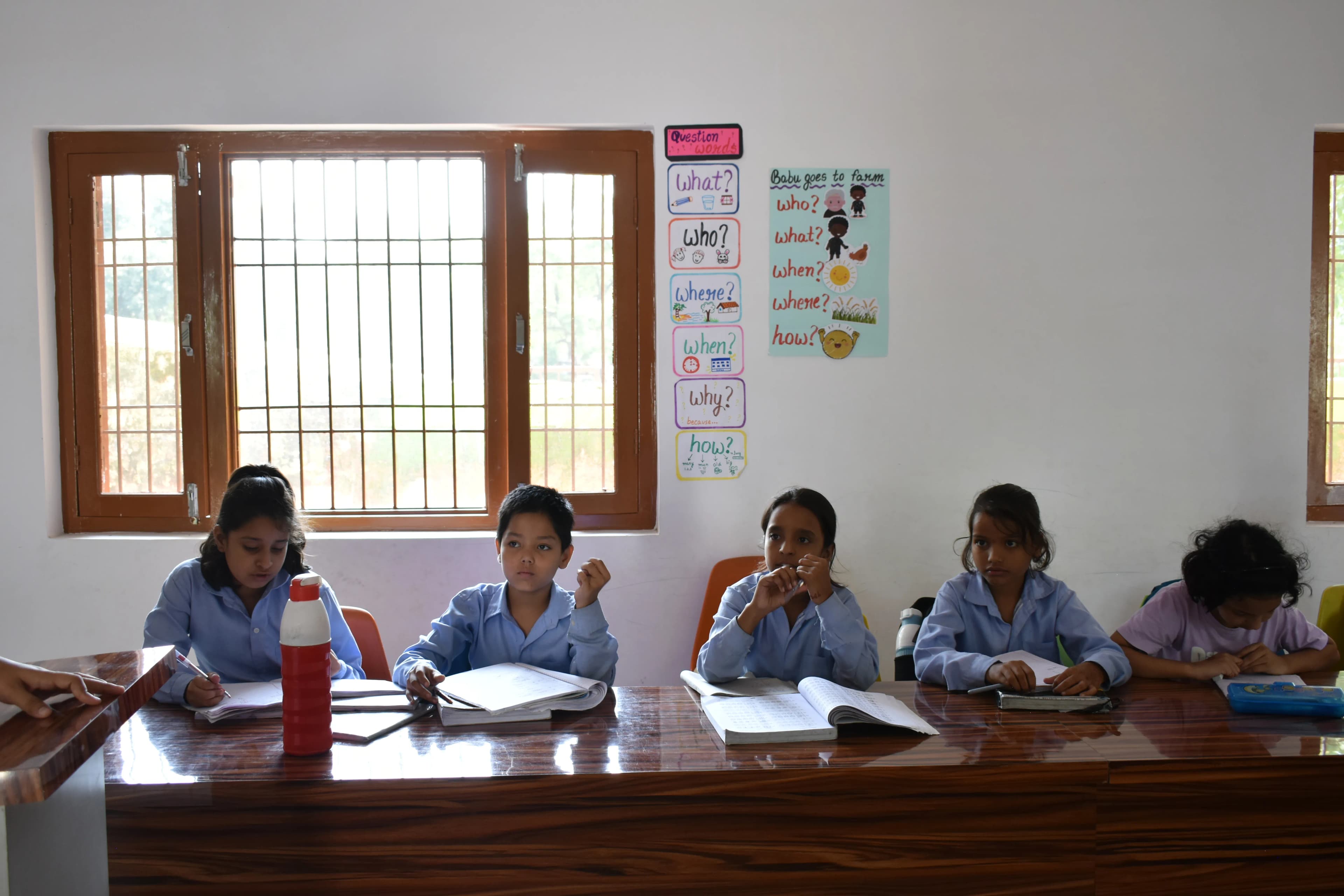
Admission to these schools is competitive. Students have to meet eligibility requirements and clear entrance examinations, often competing with children from across their district or state.
The numbers are telling. In 2024, more than 24 lakh students registered for the Class VI Jawahar Navodaya selection test, while only around 45,000 were selected. That is roughly one selected student for every 54 who registered.
For a child studying in an under-resourced government school, the challenge can be even greater. The entrance examination may be unfamiliar. Foundational skills in mathematics, language and reasoning may not yet be strong enough. There may be little access to preparation material or additional academic support. Parents may not know about these schools or how to navigate the admission process.
The child may have the ability to succeed, but ability alone does not always translate into an opportunity. The difference can come down to whether someone recognised that potential, helped build the right skills and gave the child a chance to prepare.
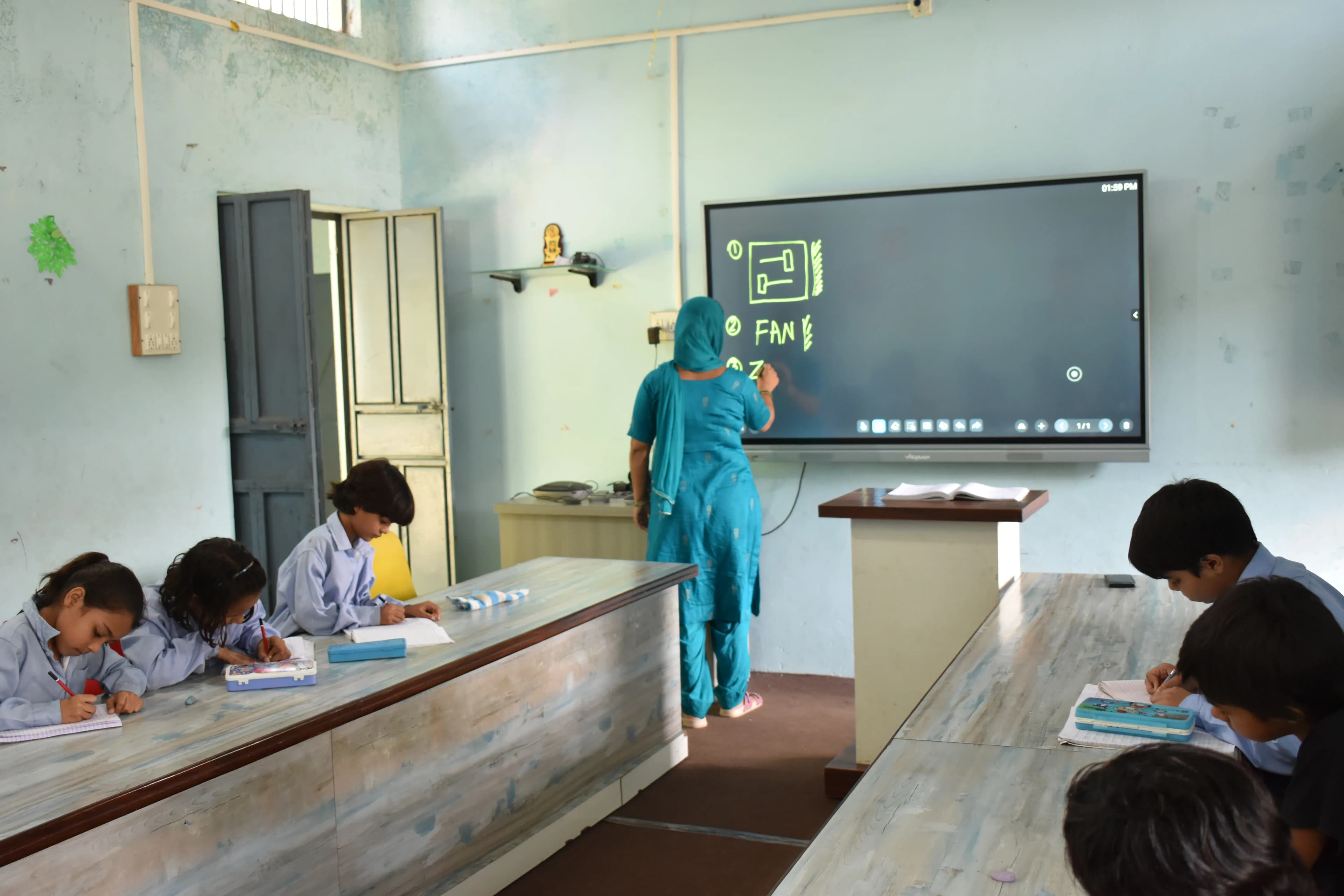
At Self Reliant India, we begin working with children in Classes 4 and 5, before they reach the stage of applying for residential schools.
Our programmes strengthen their foundations in Mathematics, Language and Mental Ability through structured learning, regular assessment and focused support. We identify children who show the potential to benefit from residential-school opportunities and help them prepare for the entrance examinations.
We also work with teachers, parents and communities so that these opportunities are not limited to the children who happen to hear about them or have someone to guide them.
For us, residential-school selection is not the final goal. It is one important step in a much longer journey. We want a child studying in a government primary school to have the skills, support and confidence to compete for opportunities that can change the course of their education and their lives.
Where a child begins should not decide how far they can go.
Every child has the potential to go further. Your support helps us build the pathway.